
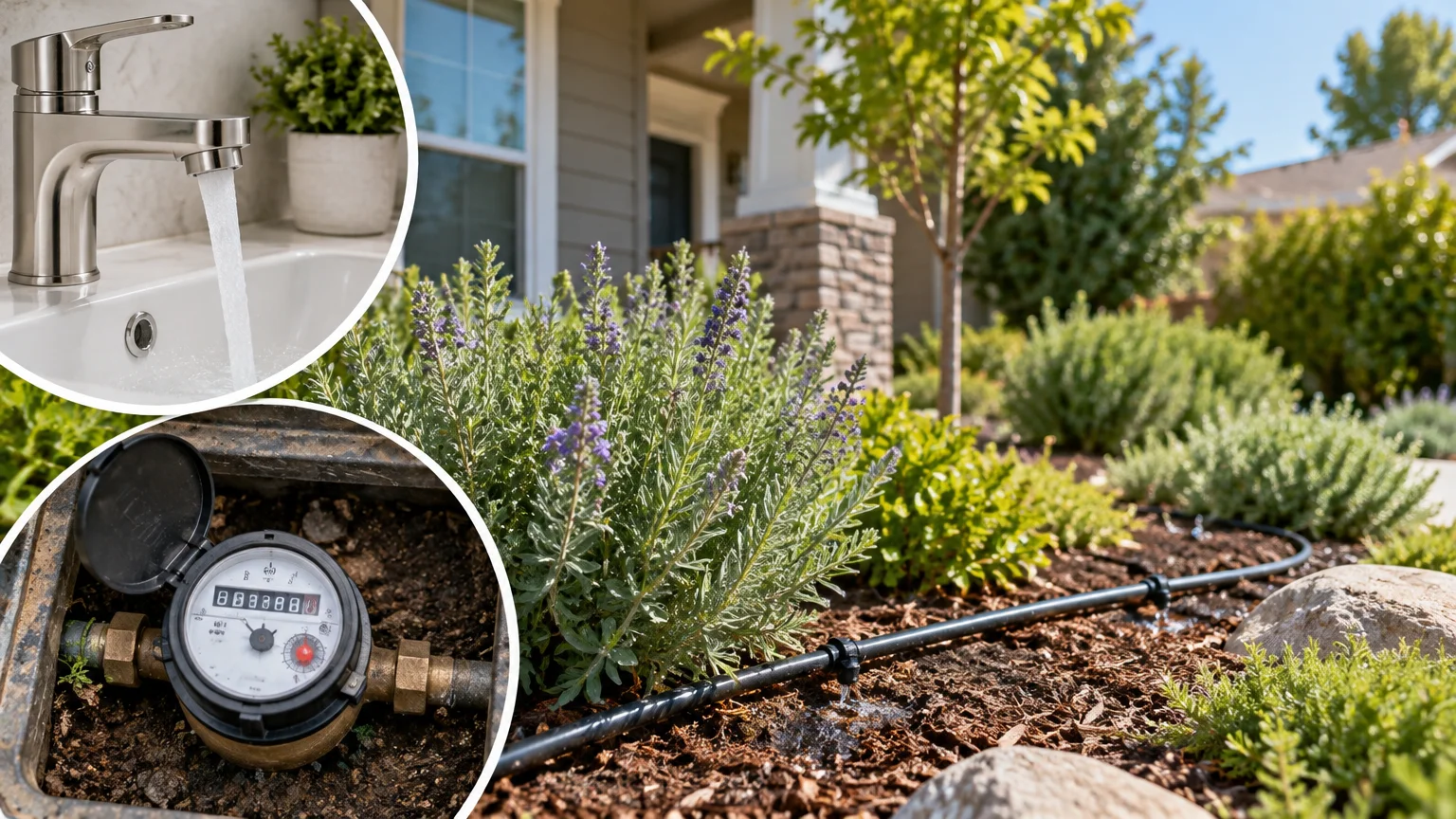
Water Conservation for Homes and Communities
Find practical ways to save water through better fixtures, leak checks, irrigation choices and everyday measurement.
Water Conservation for Homes and Communities
Water conservation works best when it fits ordinary life. 20 Gallon Challenge helps homeowners, renters, families, property managers, schools, community groups and small businesses turn broad intentions into practical decisions. The focus is on the places where water use can be seen, measured and improved: fixtures, leaks, irrigation, landscapes, routines and the equipment that supports them. The goal is not a perfect household; it is a useful next step that makes daily water use easier to understand.
A target such as saving 20 gallons a day becomes more approachable when it is divided into observable changes. A shower-flow test, a no-use meter check, a toilet repair or a shorter irrigation runtime can each reveal a different opportunity. Savings vary with fixture rates, household size, weather, plant needs and starting conditions. For that reason, this publication emphasizes assumptions, units and simple before-and-after measurements rather than one-size-fits-all promises.
Choose a Starting Point That Matches the Problem
Begin with the question in front of you. Unexpected use calls for a defined meter test and a methodical search for continuous flow. High indoor use may point toward toilets, showers, faucets, appliances or repeated routines. Heavy outdoor use calls for attention to irrigation scheduling, zone runtime, sprinkler alignment, soil conditions, weather and plant needs. When water supplies are tight, local rules can affect the order of priorities, so current requirements should be confirmed with the relevant water provider or public agency.
When comparing possible projects, estimate gallons before focusing on percentages. Multiply a fixture’s flow rate by minutes of use, or an irrigation zone’s estimated output by runtime and frequency. For a leak check, compare readings across a clearly defined no-use interval. These calculations are not meant to turn every household into a spreadsheet; they help reveal whether a change is large enough to pursue and whether the result holds up over time.
This publication covers practical indoor and outdoor savings, measurement methods, leak control, drought and water-supply context, conservation efforts, school and community activities, and efficiency choices for properties and small businesses. Use the guidance that matches your setting, then adapt the baseline and measurement period to local conditions. Before spending money or announcing a project, verify current restrictions, rebates, utility procedures and product specifications.
Latest Practical Water-Saving Guides
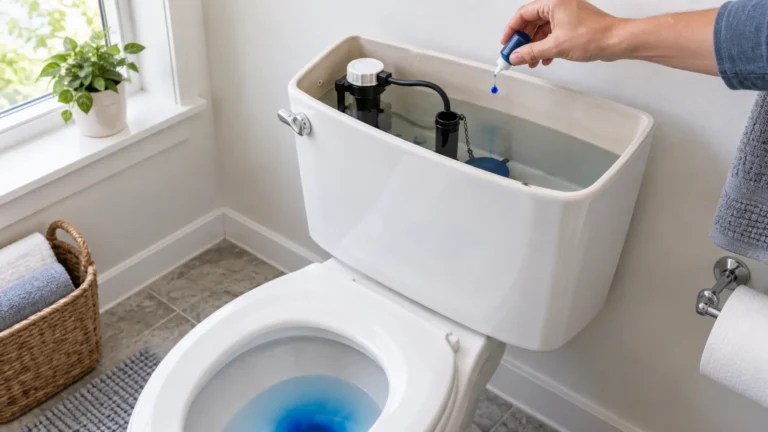
The Toilet Dye Test: A Five-Minute Leak Check That Can Find Real Waste
A few drops of food coloring can reveal whether a tank-type toilet is silently leaking into the bowl. Here…
Read more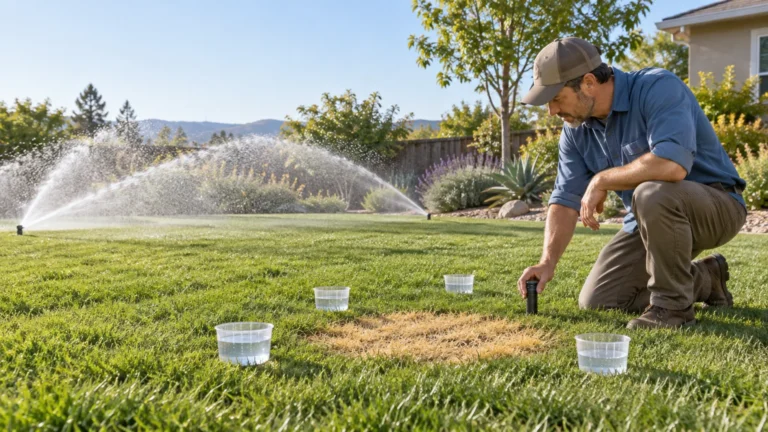
How to Find Dry Spots Without Increasing Every Zone
A dry patch does not automatically mean the entire irrigation zone needs more runtime. Compare water delivery, inspect components…
Read more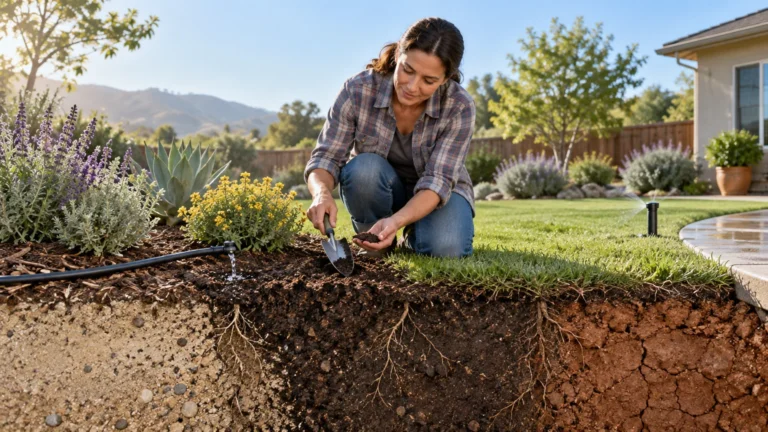
How to Set Irrigation by Soil Type Instead of by Habit
Learn how sandy, loamy, clay, compacted, sloped, and mixed soils change irrigation frequency, cycle length, and runoff risk.
Read moreBuild Changes That Last
Lasting savings usually come from making efficient operation the normal operation. That can mean fixing a small leak before it becomes background noise, choosing a fixture that suits the task, adjusting sprinklers so water reaches plants instead of pavement, or reviewing a meter reading often enough to spot a change. A project does not need to be complicated to matter, but it does need a clear purpose, a realistic baseline and a way to confirm the result.
Start with one area where water use is visible or measurable. Record a flow rate, meter reading, irrigation runtime or bill-based estimate before making a change. Then repeat the measurement under comparable conditions. Note what else may affect the result, including occupants, seasonal weather, planned watering and water-using equipment. A modest improvement that can be verified and maintained is more useful than a dramatic estimate with unclear assumptions. Let the numbers guide the next project.